
The Role of Data Analytics in
Modern HR Decisions
HR teams used to rely on intuition and experience. That era is over. Today, the most successful organizations treat their workforce like a strategic asset and they use HR data analytics to drive every important decision.
Executive Summary
HR leaders who understand data make faster decisions, reduce risk, and improve performance.
Real-time signals reveal early signs of burnout, disengagement, or skill gaps long before reviews.
Data-driven HR is no longer a competitive edge—it is the operational standard.
What Is HR Data Analytics?
HR data analytics is the discipline of using workforce data to understand people, predict trends, and improve decision-making across the employee lifecycle. It’s not just about creating reports. It’s about turning scattered HR information into insights that help leaders build stronger, more productive teams.
Here’s the difference it makes. Instead of waiting for an annual engagement survey to discover problems, HR teams can study real-time signals from attendance patterns, performance dashboards, collaboration tools, and workload data.
These insights reveal early signs of burnout, disengagement, or skill gaps long before they show up in reviews.
At its core, HR data analytics brings together information from several sources:
- Employee lifecycle & HRMS
- Talent acquisition funnels
- Performance & productivity metrics
- Engagement & feedback surveys
- Attendance & workload reports
- Compensation benchmarking
When all these data points come together, something powerful happens. HR leaders stop guessing and start making decisions driven by evidence.
Why HR Data Analytics Matters
Shifting from administrative support to strategic business function.
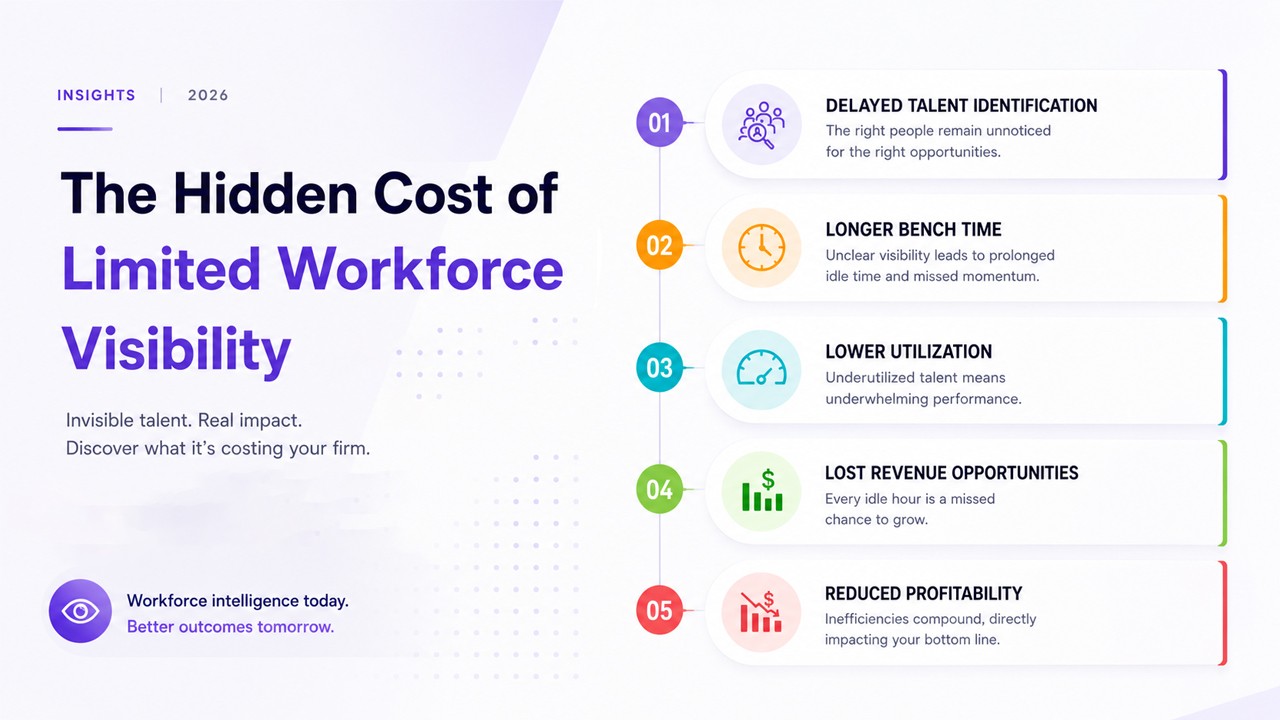
When teams understand their workforce through data, they make faster, smarter, and more confident decisions. The impact shows up across the entire employee lifecycle. Here’s what it really delivers:
- Better Hiring and Retention: Analytics highlights which candidate profiles perform well and where hiring bottlenecks occur.
- Early Detection of Attrition Risks: Analytics uncovers patterns in workload, engagement, and performance to flag flight risks.
- Smarter Workforce Planning: Plan future staffing needs based on skill gaps, project demand, and capacity.
- Improved Employee Experience: Data personalizes development plans and wellness initiatives based on real needs.
- Clear Alignment with Business Goals: Connect HR strategies with revenue and productivity to show ROI.
How HR Data Analytics Improves Decision-Making
Let’s look at real examples of how data changes everyday HR decisions.
"Data analytics enhances HR decision-making in real time."
Smarter Hiring
Highlights which profiles consistently succeed and where delays occur.
Predicting Attrition
Flags employees at high risk based on workload, engagement, and pay.
Performance Insights
Uncovers top performers, under-utilized talent, and capability gaps.
Workforce Planning
Forecasts hiring demand, training needs, and project allocation accurately.
Compensation Benchmarking
Ensures compensation bands match market standards to influence retention.
Daily Interventions
Identifies concerns before escalation and supports DEI initiatives.
How AI and Data Analytics Boost HR Consulting
AI is accelerating HR transformation. Consultants who understand analytics are far more valuable. Here's how AI is changing the game:
Automated Resume Screening
AI filters large applicant pools, freeing HR teams from repetitive screening.
Skill-Matching Engines
Matching employee skills with job requirements becomes precise and fast — ideal for hiring strategy.
Predictive Workforce Insights
AI highlights hiring bottlenecks, attrition risks, and training gaps for stronger recommendations.
Compensation Intelligence
AI-powered salary insights help guide clients on competitive pay structures.
How to Use Data Analytics in HR: A Simple Framework
If you are starting from scratch, here’s a clear roadmap. This cycle is how companies consistently improve workforce outcomes.
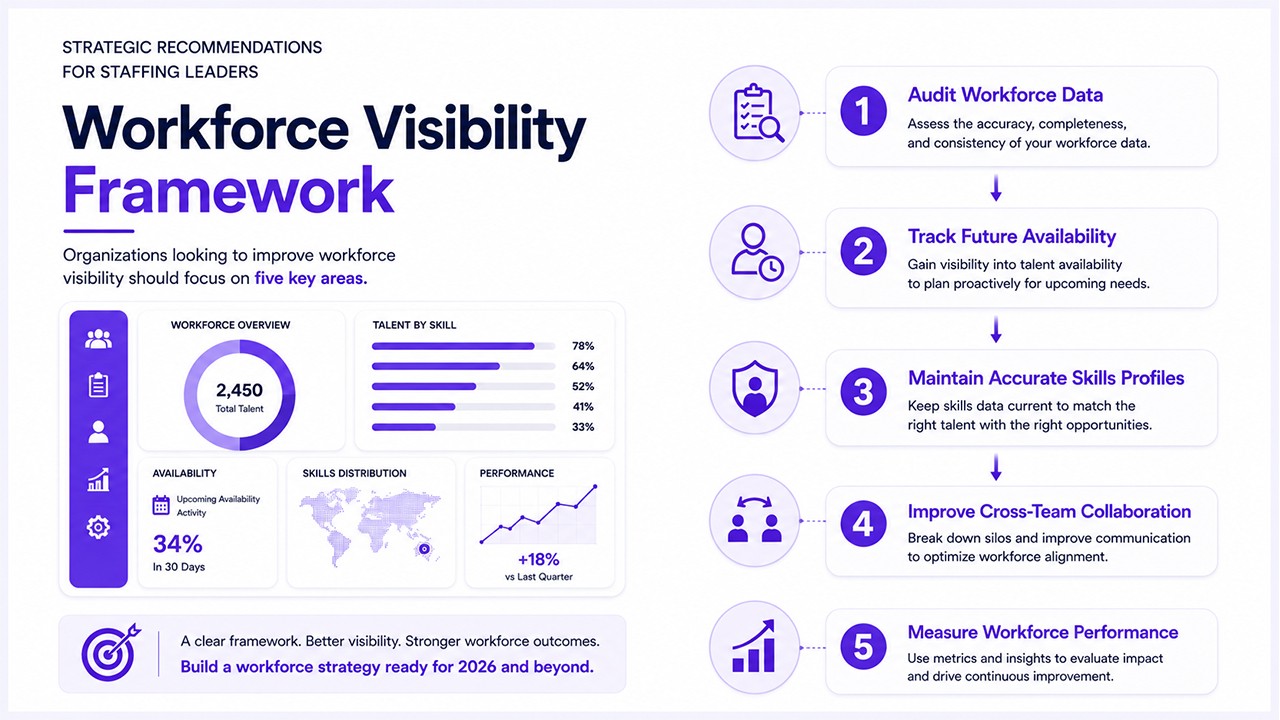
The 6-Step Implementation Cycle
- 1Identify the questionsWhy are employees leaving? Which teams need training?
- 2Collect and organize dataATS, HRMS, surveys, performance dashboards, payroll.
- 3Build dashboardsPower BI, Tableau, Looker Studio, or HRMS modules.
- 4Analyze patternsLook for correlations, trends, and leading indicators.
- 5Act on insightsAdjust policies, redesign processes, or build new strategies.
- 6Measure resultsTrack improvements across retention, performance, and cost.
The Future of HR Data and Analytics
The future of HR data and analytics lies in its integration with AI and business intelligence.
As organizations adapt to hybrid work, skills-based hiring, and workforce fluidity, real-time analytics will guide decisions that shape employee experience and company performance alike.
Soon, data-driven HR will not be a competitive edge—it will be the operational standard.
When HR teams use data well, they shift from “reactive support” to “strategic partners.”
Continue the Conversation
Data is the key to predicting talent needs and ensuring workforce readiness.
Explore Workforce Insights for practical guidance on workforce visibility, AI integration, talent deployment strategies, and the future of HR management.
About BenMyL
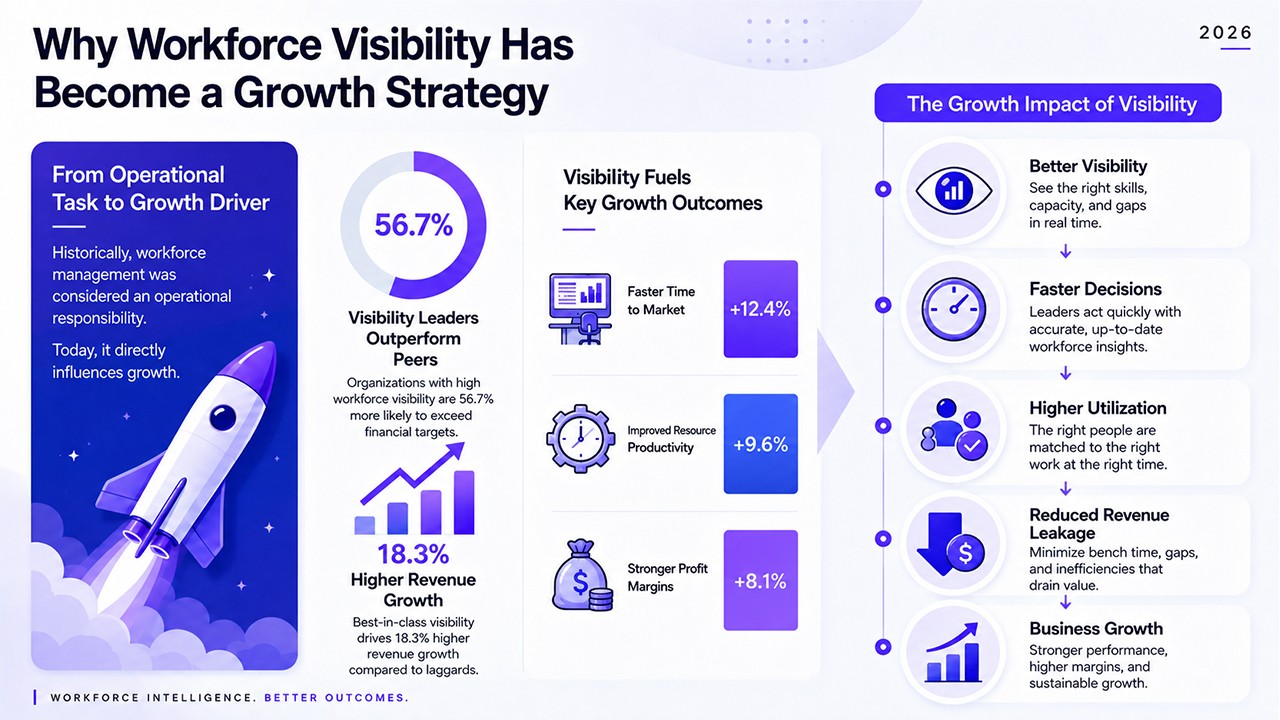
BenMyL helps staffing organisations improve workforce visibility, utilisation, and talent deployment through modern workforce intelligence solutions designed specifically for today's staffing industry.
BenMyl Intelligence
Providing modern workforce intelligence solutions designed specifically for today's staffing industry. We help organisations improve visibility, utilisation, and talent deployment.